
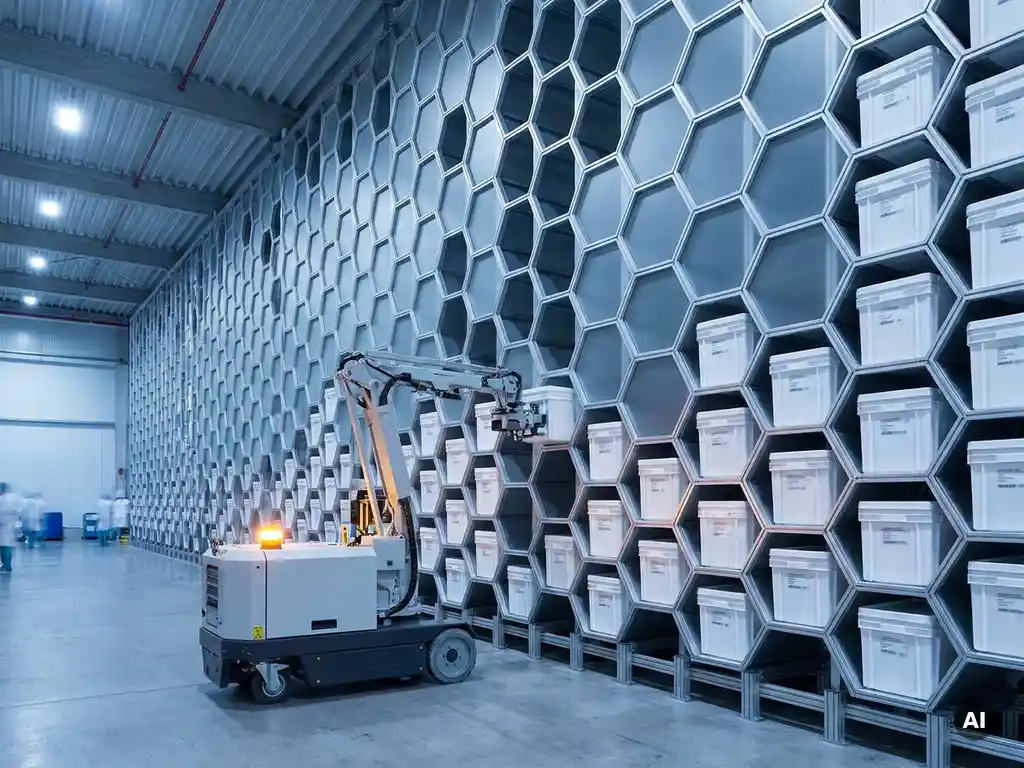
To conduct a pharmaceutical lot recall from a warehouse, you must immediately identify all inventory linked to the affected lot number, physically quarantine that stock, halt its distribution, and initiate documentation and reporting in line with regulatory requirements. The process demands precise lot traceability: every unit of the recalled product must be accounted for, whether it is still in storage, in transit, or already dispatched. The sections below walk through each stage of the recall process in detail.
What triggers a pharmaceutical lot recall from a warehouse?
A pharmaceutical lot recall is triggered when a specific batch of product is identified as potentially defective, contaminated, mislabeled, or non-compliant with regulatory standards. Triggers can come from the manufacturer, a regulatory authority such as the MHRA or FDA, an internal quality investigation, or a customer complaint that reveals a product safety concern.
In practice, recalls fall into different classes depending on severity. A Class I recall involves a serious risk to health or life. A Class II recall covers products that may cause temporary adverse health effects. A Class III recall applies to products unlikely to cause harm but that violate regulatory labeling or manufacturing rules. The class of recall determines the urgency of the warehouse response, but the operational steps are consistent across all categories.
Warehouse teams are typically notified through a formal recall notification from the marketing authorization holder or the national competent authority. Upon receiving that notification, the warehouse’s recall procedure should activate immediately. Delays at this stage directly increase the risk that affected product reaches patients or end customers.
How do you identify and locate affected inventory in a warehouse?
To identify affected inventory during a pharmaceutical lot recall, you cross-reference the recalled lot number against your warehouse management system records to find every storage location, tote, pallet, or container holding that batch. Accurate lot traceability data is the foundation of this step: without it, a manual search becomes necessary and significantly increases recall time and risk.
A well-maintained warehouse management system should allow a query by lot or batch number that returns all current inventory positions, quantities on hand, and any open orders or dispatch records associated with that batch. This query should also extend to goods in transit or recently dispatched, generating a list of affected shipments that need to be recalled from customers or distribution partners.
Checking storage locations
For inventory still in the warehouse, the WMS output should identify every physical location holding the affected lot. In a manual or conventional racking environment, staff must physically visit each location and verify the batch number against the product label. In an automated storage environment, the system can retrieve that information digitally and direct operators to the exact totes or containers involved.
Tracing dispatched stock
For stock already shipped, dispatch records linked to the lot number provide the customer list and quantities. Recall notifications must then be issued to those customers with instructions to quarantine and return the affected product. Regulatory requirements typically mandate a defined timeframe for this outreach, so acting on dispatch records immediately after identifying the lot is essential.
How do you quarantine recalled pharmaceutical stock without disrupting operations?
Recalled pharmaceutical stock should be quarantined by physically segregating it into a designated quarantine zone or by applying a system-level hold that prevents the inventory from being picked, dispatched, or replenished. The goal is to stop the recalled lot from moving further through the supply chain while allowing the rest of the warehouse to continue operating normally.
In a system-managed environment, a quarantine status flag applied to the affected lot number in the WMS is the first action. This blocks the product from appearing in pick lists or dispatch instructions, reducing the risk of accidental fulfillment. A physical quarantine location, clearly marked and access-controlled, should then receive all units of the recalled lot that are retrieved from storage.
Keeping quarantine operations separate from normal fulfillment activity is important both for compliance and for operational continuity. Warehouse teams should follow a documented quarantine procedure that records who moved the product, when, from which location, and to where. This audit trail supports the reporting obligations that follow.
What documentation and reporting are required during a lot recall?
During a pharmaceutical lot recall, warehouses are required to document the recall notification received, all inventory identified as affected, the quarantine actions taken, quantities accounted for, dispatch records for shipped stock, and communications sent to customers or supply chain partners. This documentation must be retained and made available to regulatory authorities on request.
Regulatory bodies expect a reconciliation report that compares the total quantity of the affected lot received into the warehouse against the quantity quarantined, the quantity already dispatched, and any quantities that cannot be accounted for. Any discrepancy must be investigated and explained. The timeline of actions taken is also recorded, as regulators assess whether the recall was executed promptly and thoroughly.
Where the Falsified Medicines Directive applies, serialization records and verification data may also be relevant to the recall documentation. Systems that support FMD processes can provide additional evidence of product movement and verification status for each unit in the affected lot.
Internal reporting requirements typically include notifying quality assurance, senior management, and the regulatory affairs team. Many pharmaceutical distributors maintain a dedicated recall coordinator role responsible for managing this communication chain and ensuring that all required reports reach the relevant competent authority within the mandated timeframe.
How should recalled pharmaceutical products be disposed of or returned?
Recalled pharmaceutical products should be disposed of or returned according to the instructions provided in the recall notification, the agreement with the marketing authorization holder, and applicable pharmaceutical waste regulations. The three most common outcomes are return to the manufacturer, destruction by a licensed pharmaceutical waste contractor, or quarantine pending further investigation by the quality team.
Disposal must be documented in detail. Records should capture the quantity destroyed or returned, the method of destruction or return, the date, and the authorization for that action. For controlled substances or products with environmental disposal requirements, additional regulatory steps apply depending on the jurisdiction.
Products should never be returned to saleable stock after a recall, even if a subsequent investigation clears the specific units held at the warehouse. Any reinstatement of recalled inventory requires formal written authorization from the manufacturer or regulatory authority and should be treated as a separate quality process with its own documentation trail.
How does warehouse automation affect pharmaceutical recall speed and accuracy?
Warehouse automation significantly improves pharmaceutical recall speed and accuracy by providing real-time, system-level lot traceability that eliminates the need for manual location searches. An automated storage and retrieval system that records every tote, batch number, and storage position can execute a lot-level query in seconds, returning a complete and accurate picture of affected inventory across the entire facility.
In a conventional warehouse, staff must physically walk aisles, check labels, and manually compile a recall inventory list, a process that takes hours and introduces human error. An automated system reduces that time substantially and produces a more reliable record because inventory movements are logged at each step rather than relying on retrospective label checks.
Direct-access storage architecture is particularly valuable during a recall. Systems where every storage location is individually and immediately accessible allow the affected lot to be retrieved without moving unaffected stock. This means quarantine can be completed faster and with less disruption to the surrounding inventory, which is critical when operational continuity must be maintained alongside an urgent recall response.
Batch and lot tracking capabilities embedded in the warehouse management or execution system also extend to dispatch records. The system can immediately identify which customer orders included the recalled lot, generating the outreach list for dispatched stock without requiring staff to manually search paper or spreadsheet records. This reduces the time between recall notification and customer communication, a factor that regulators and quality auditors assess closely.
For pharmaceutical distributors managing thousands of SKUs across slow-moving and long-tail inventory profiles, lot traceability in AS/RS storage is especially important. The combination of automated retrieval and system-level batch records means that even infrequently ordered products with complex inventory profiles can be fully accounted for during a recall without the operational disruption that a manual search would cause.
How Hexxabotics supports pharmaceutical lot recall management
Hexxabotics provides a high-density, direct-access AS/RS system designed to support the strict inventory control requirements of pharmaceutical distribution and fulfillment. For pharmaceutical lot recalls specifically, the system addresses several of the most operationally demanding aspects of the process:
- Real-time lot and batch visibility: Every tote and its contents are tracked at the system level, so a lot-level query returns an accurate inventory picture immediately rather than after a manual search.
- Direct access to every storage location: Because the Hexxabotics architecture provides direct retrieval without digging or reshuffling, affected inventory can be extracted and quarantined without disrupting surrounding stock.
- System-level quarantine support: Integration with the warehouse management or execution system allows a batch hold to be applied at the inventory record level, preventing recalled product from entering pick or dispatch workflows.
- Audit-ready movement records: Every retrieval and storage event is logged, providing the documentation trail that regulators and quality teams require during and after a recall.
- Scalable capacity for variable pharmaceutical SKUs: The system is particularly suited to medium-volume, slower-moving, and long-tail pharmaceutical inventory, the SKU profiles where manual recall searches are most time-consuming and error-prone.
If your pharmaceutical distribution operation needs a storage system that can support recall readiness alongside high-density fulfillment, contact Hexxabotics to discuss how the AS/RS architecture fits your compliance and operational requirements.
Related Articles
- How do pharmaceutical companies prepare for an FDA warehouse inspection?
- How do you ensure lot segregation in a high-density pharmaceutical warehouse?
- How do you maintain temperature-controlled storage for pharmaceuticals?
- How does SKU count affect the complexity of warehouse layout planning?
- When does warehouse automation stop being cost-effective?